


About Us
Welcome Bhubaneswar District
Bhubaneswar, the vibrant capital of the Indian state of Odisha, is a city with a rich tapestry of history, culture, and modern development. It is often celebrated as the “Temple City of India” due to the concentration of ancient temples, particularly in the Old Town area. Located in the Khordha district, the city is a primary hub for administrative, commercial, and religious activities in the state. The city’s history dates back over 2,000 years, making it an ancient seat of power and architecture. Its temples, like the magnificent Lingaraja Temple (11th century) and the Rajarani Temple, showcase the peak of Kalinga architecture, attracting pilgrims and history enthusiasts from around the globe. Topographically, Bhubaneswar sits in the eastern coastal plains along the axis of the Eastern Ghats, with an average altitude of about 45 meters above sea level. It is situated in the Mahanadi River Delta, with the Daya and Kuakhai rivers flowing nearby. Modern Bhubaneswar was meticulously planned by German architect Otto Königsberger in 1948, creating a distinct division between the historic ‘Temple Town’ and the newer, well-organized capital area with designated units for administration, residences, and institutions. The city serves as a major educational and research center, housing institutions like Utkal University and the Institute of Physics. It also hosts the Nandankanan Zoological Park and the Chandaka Wildlife Sanctuary, adding significant ecological value. In recent years, Bhubaneswar has transformed into a rapidly growing IT and commercial hub, and it was one of the first cities selected for the Government of India’s Smart Cities Mission. It has maintained its cultural heritage while embracing contemporary infrastructure and technology. The Bhubaneswar Municipal Corporation (BMC) manages an area of approximately 186 square kilometers. The city’s coastal location makes it susceptible to cyclones, as evidenced by the severe damage caused during the 1999 Odisha cyclone, but it has continually worked on improving its disaster resilience. The blend of ancient stone temples and modern steel structures makes Bhubaneswar a fascinating example of a city transitioning from a historic center to a future-ready metropolitan area.
Glance Of Bhubaneswar District

Area
186 square kilometers

Population
886,397

Spoken Language
Odia

Revenue
₹ 188.39 Crore
Famous Places
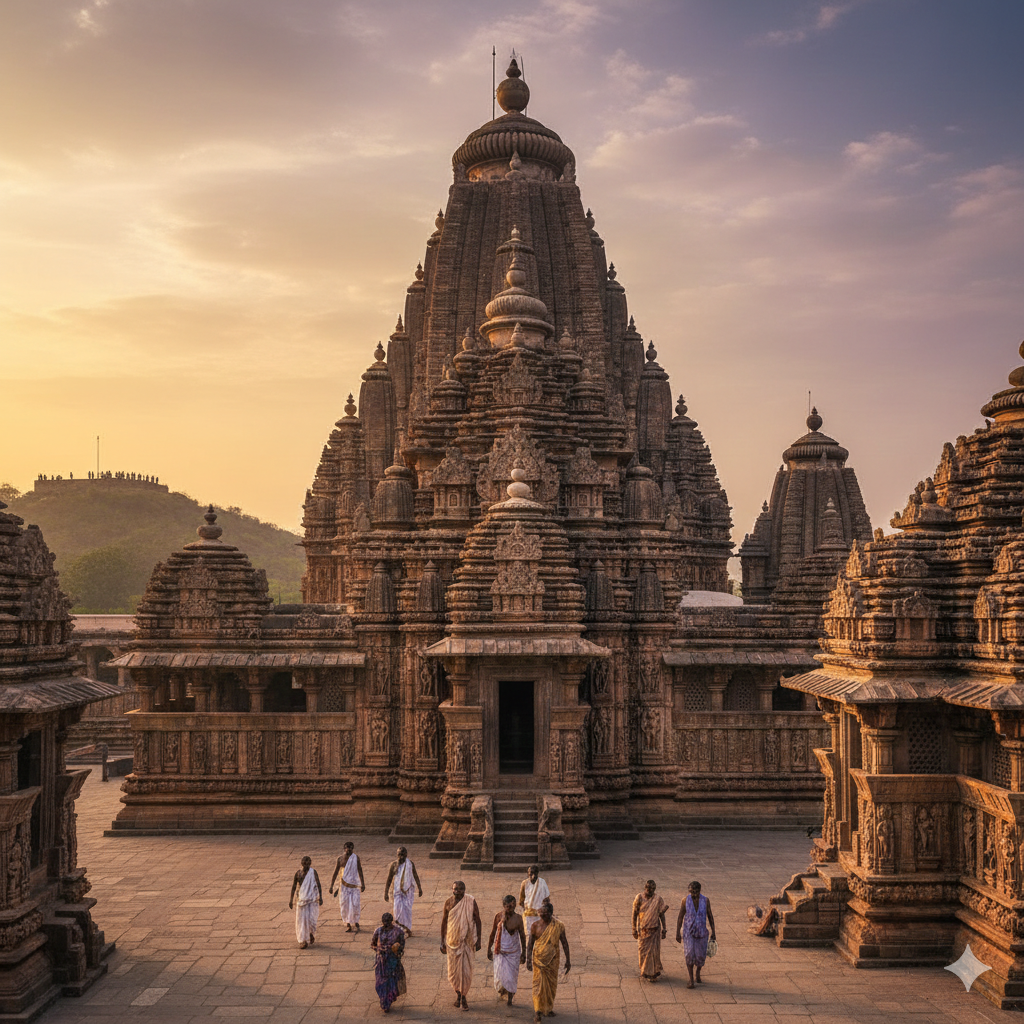
Lingaraj Temple
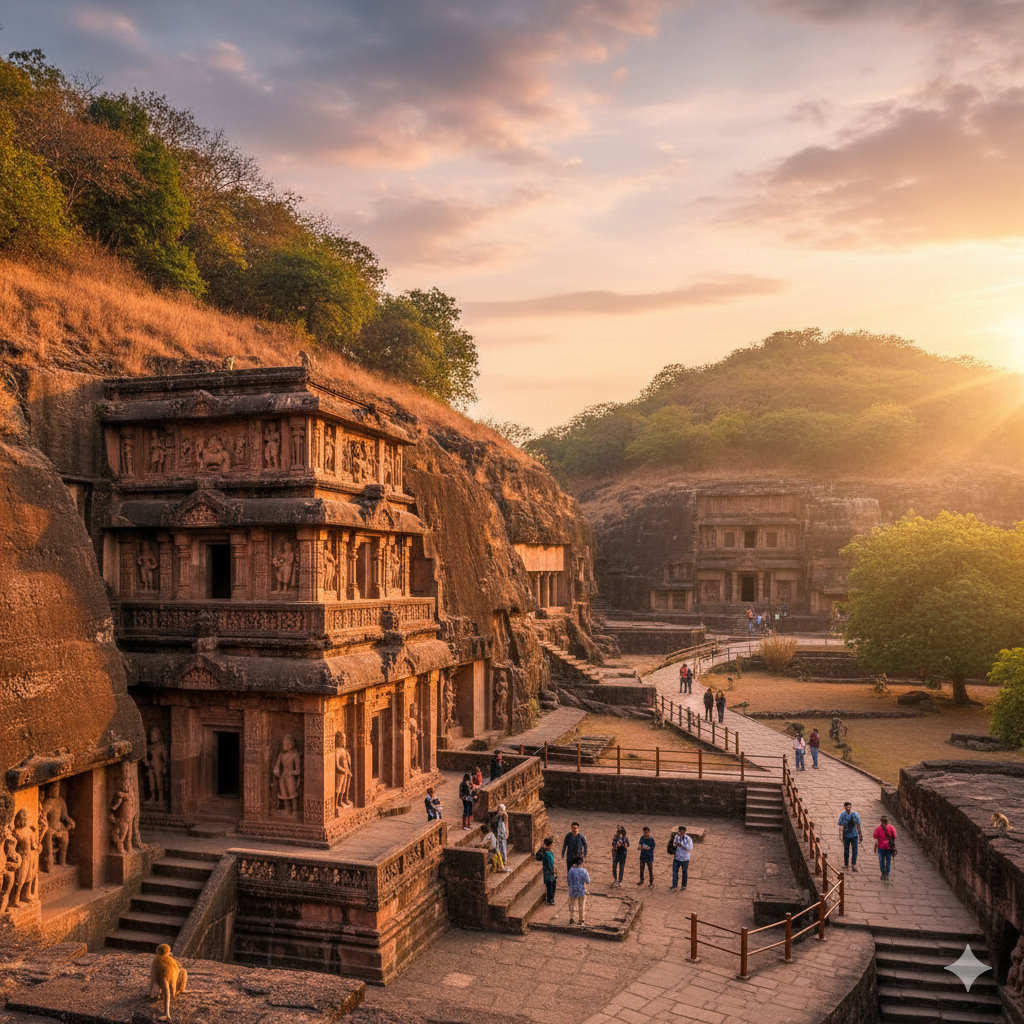
Khandagiri Caves

Nandankanan Park
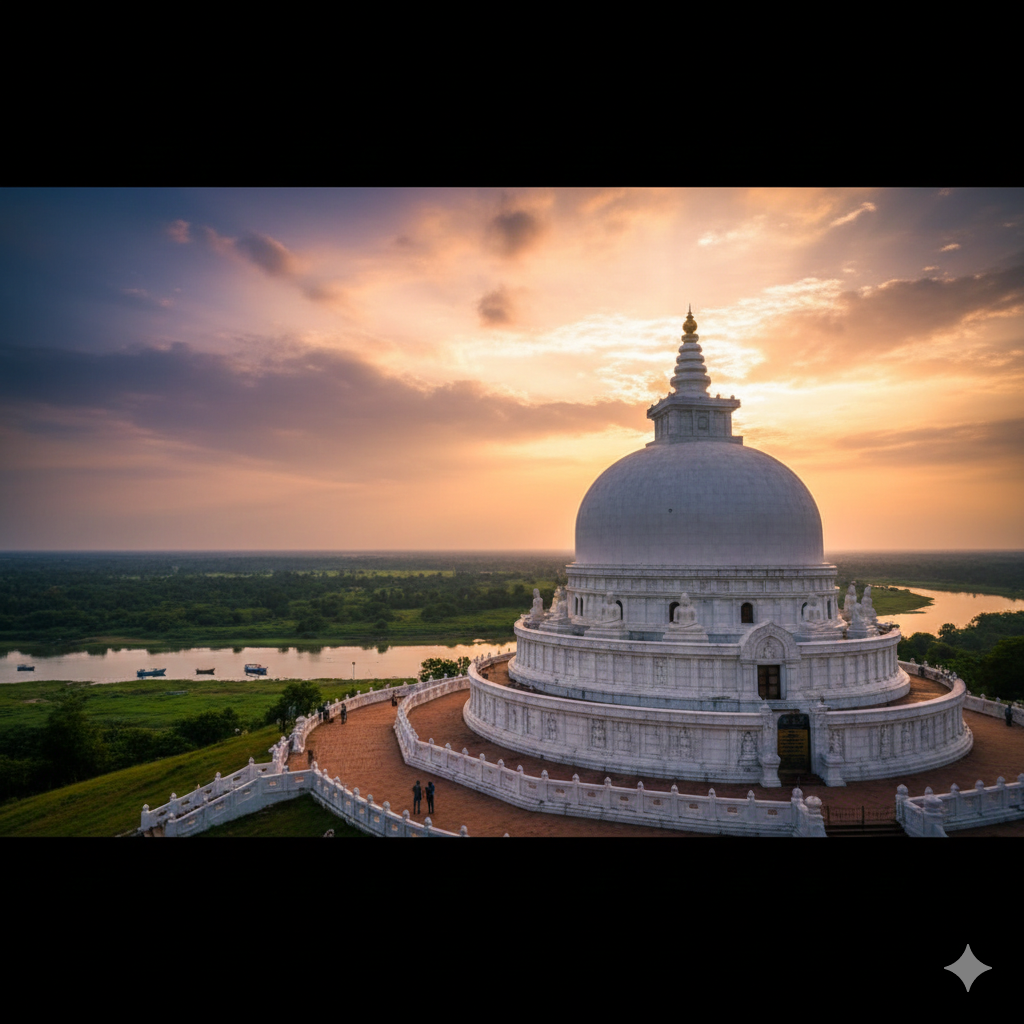
Dhauli Shanti Stupa
Geography
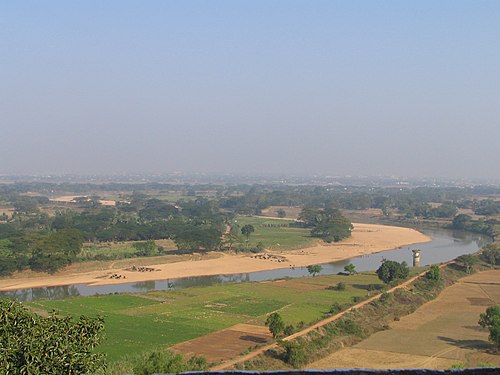
Daya River at the foothills of Dhauli
Bhubaneswar is in Khordha district of Odisha.It is in the eastern coastal plains, along the axis of the Eastern Ghats mountains. The city has an average altitude of 45 m (148 ft) above sea level. Bhubaneswar lies in Mahanadi River Delta. The Daya River is 4 km to the south and the Kuakhai River 4 km to the east; the Chandaka Wildlife Sanctuary and Nandankanan Zoo are in west and north to Bhubaneswar, respectively.
Bhubaneswar is topographically divided into western uplands and eastern lowlands, with hillocks in the western and northern parts. Kanjia lake on the northern outskirts, affords rich biodiversity and is a wetland of national importance. Bhubaneswar’s soils are 65 per cent laterite, 25 per cent alluvial and 10 per cent sandstone. The Bureau of Indian Standards places the city inside seismic zone III, on a scale ranging from I to V in order of increasing susceptibility to earthquakes. The United Nations Development Programme reports that there is “very high damage risk” from winds and cyclones. The 1999 Odisha cyclone caused major damage to buildings, the city’s infrastructure and cost many human lives. Floods and waterlogging in the low-lying areas have become common due to unplanned growth.
Find Out Answers Here
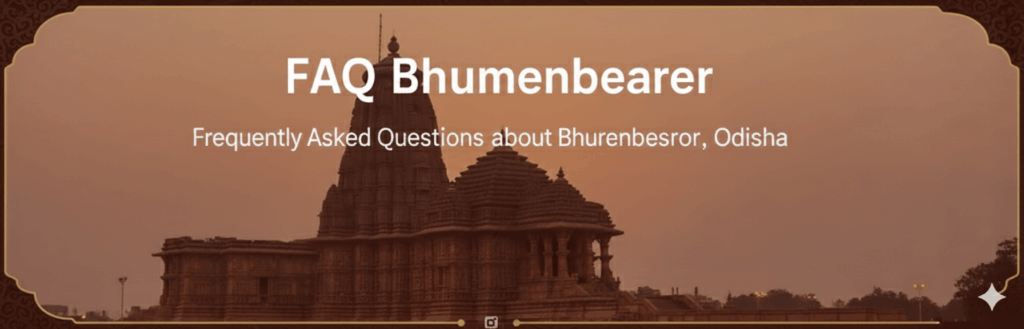
Bhubaneswar is primarily famous as the "Temple City of India" due to its abundance of ancient temples, particularly those built between the 7th and 11th centuries AD. It's a significant historical and religious center, showcasing Kalinga architecture. Additionally, it's recognized as a "Smart City" for its urban planning and modern infrastructure, and as an educational and IT hub in Eastern India.
Lingaraj Temple: A magnificent 11th-century Hindu temple, one of the oldest and largest in Bhubaneswar.
Udayagiri and Khandagiri Caves: Ancient rock-cut caves with historical and archaeological significance, dating back to the 2nd century BC.
Mukteshwar Temple: Known as the "Gem of Odishan Architecture" for its exquisite carvings.
The ideal time to visit Bhubaneswar is during the winter months, from October to March. The weather during this period is pleasant and cool, making it perfect for sightseeing and outdoor activities. Summers (April to June) can be very hot and humid, while the monsoon season (July to September) brings heavy rainfall.
Air: Biju Patnaik International Airport (BBI) has excellent connectivity to major Indian cities.
Rail: Bhubaneswar Railway Station (BBS) is a major junction on the East Coast Railway, with trains connecting to all parts of India.
Road: It is connected by National Highways (NH-16, NH-520) and a good network of state highways, with regular bus services from neighboring cities and states.
Pakhala Bhata: Fermented rice served with curd and side dishes (especially popular in summer).
Dalma: A healthy lentil and vegetable stew.
Chhena Poda: A famous traditional cheese dessert, often called "Odisha's Cheesecake."
Santula: A mixed vegetable curry.
Gupchup (Pani Puri): A popular street food snack.